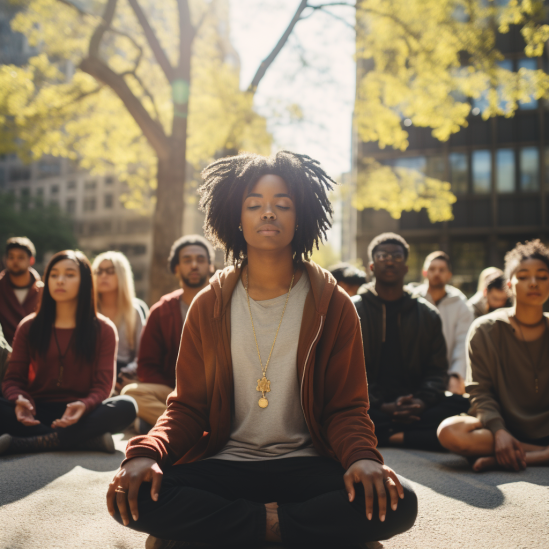
Mindfulness, in various forms, has proven results in reducing stress; easing anger and anxiety; and providing the mental, emotional, spiritual and physical fortitude required to stay grounded and present in challenging and even life-threatening situations.
Mindfulness is a form of healing justice, holistically responding to and intervening on generational trauma and violence, and bringing collective practices that can impact and transform the consequences of oppression on our bodies, hearts and minds.
We believe that identifying or establishing and maintaining consistent mindfulness practices can heal our minds, bodies and souls and has been proven to result in significant stress reduction.
BlackFULLness U is designed to provide the opportunity for practicing mindfulness in ways that are practical and immediately actionable.

BlackFULLness at Work
According to The American Institute for Stress, "Workplace stress makes up a significant part of the general mental health crisis. Changes in the economy and increased financial concerns translate into pressure at work. Workplace stress statistics reveal that heavy workloads, deadlines, and demanding bosses all contribute to the problem. Stress due to work, if left untreated, can cause serious mental health problems for employees. There’s a financial burden, too; stress can lead to serious drops in productivity and end up costing a huge amount for both private companies and governments."

BlackFULLness in Academia
According to National Institutes of Health, "attending college can be a stressful time for many students. In addition to coping with academic pressure, some students have to deal with the stressful tasks of separation and individuation from their family of origin while some may have to attend to numerous work and family responsibilities. In this context, many college students experience the first onset of mental health and substance use problems or an exacerbation of their symptoms."
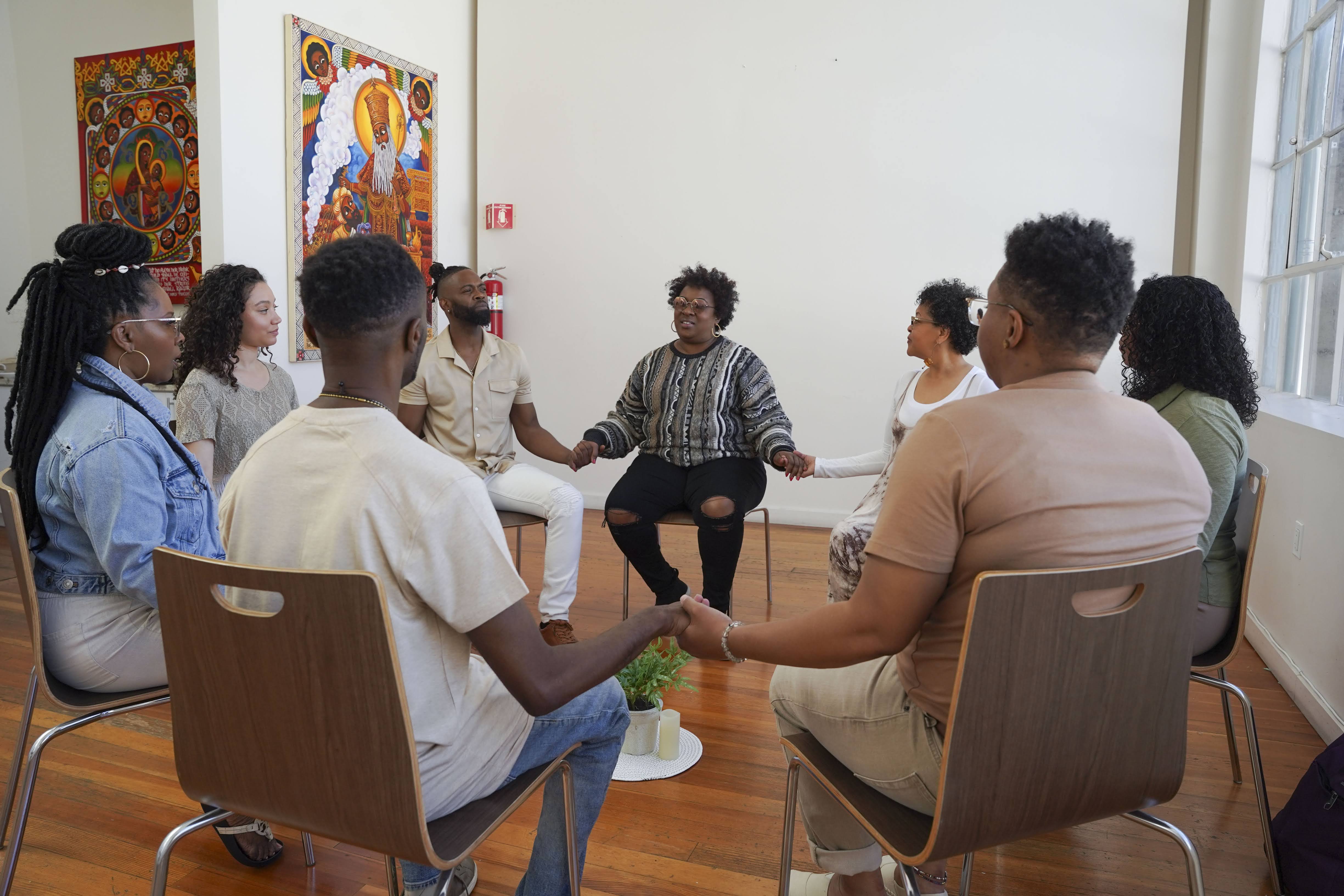
BlackFULLness in Community
African Americans experience more stress-related health disparities than any other racial or ethnic groups, with 100% of adults reporting having experienced race related stress and 76% report experiencing daily discrimination. The most common stressors include: structural racism, workplace aggressions, and police killings.
Let's get (and keep) our minds right!
Whether you are an employee, a teacher, a student, or a community member, there is something here for everyone.